
Digital Marketing Tips for Beginners: Your Practical First-30-Days Roadmap

Why Most Beginners Stall — and How This Guide Is Different
If you've searched for digital marketing tips for beginners, you've probably landed on lists that tell you to "create great content" and "be consistent on social media." That advice isn't wrong — it's just useless without a sequence. Knowing what to do means nothing if you don't know when to do it and in what order.
This guide gives you a concrete, day-by-day roadmap for your first 30 days. It's built around one core argument: beginners fail not from lack of information, but from lack of prioritization. You'll pick one channel, build one feedback loop, and ship one real asset before the month is over. That's the whole game.
Ready to stop consuming and start executing? Let's go.
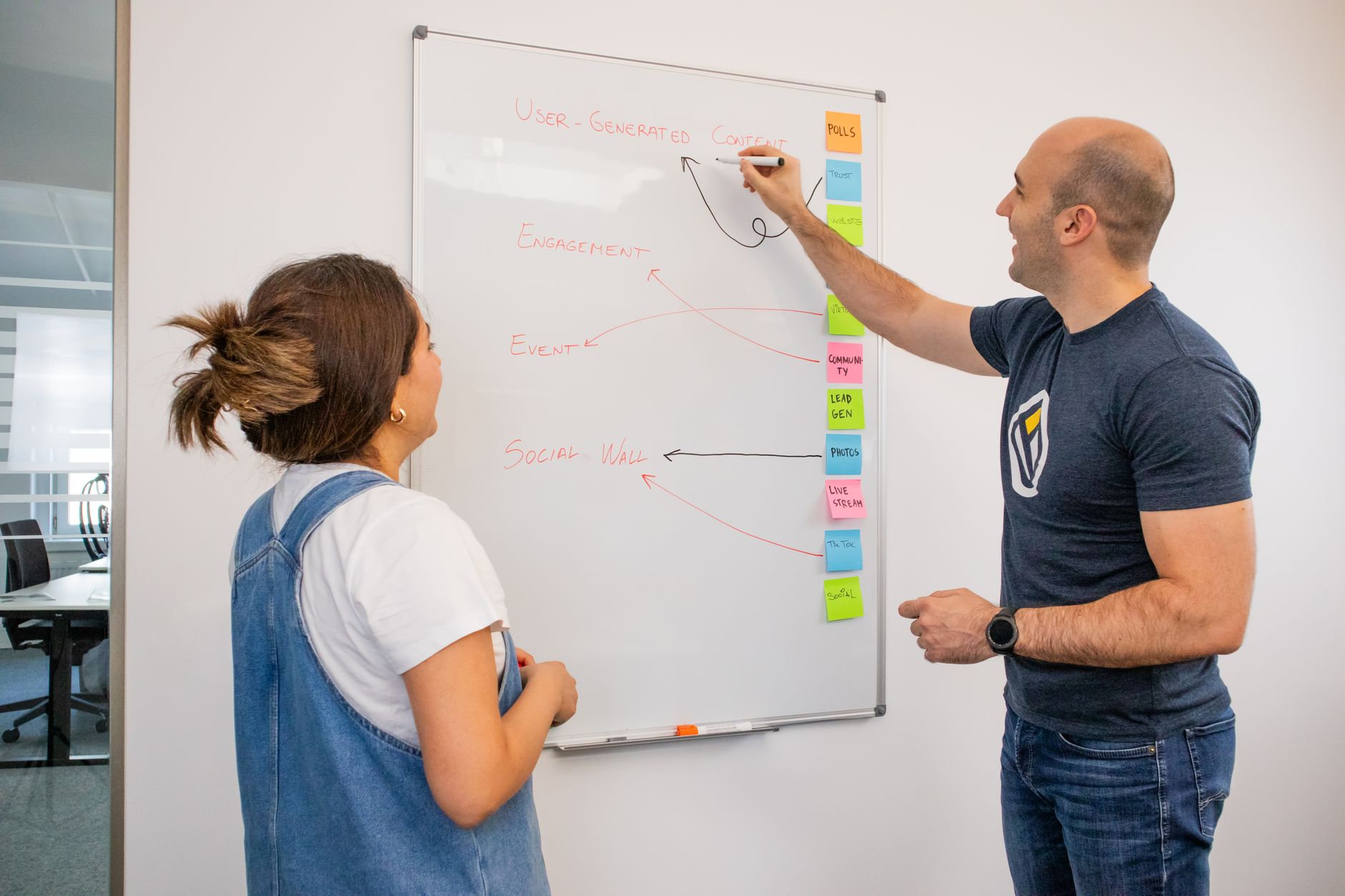
Days 1–7: Lay the Foundation Before You Touch a Single Platform
Most beginners open Instagram or start a blog on Day 1. That's backwards. The first week is about research, not publishing. Skipping this phase is the single most common reason beginner campaigns produce zero results after 90 days.
Step 1: Define One Audience Segment (Not a Persona)
Forget the fictional "Marketing Mary, 34, loves yoga" persona. Instead, find a real community — a subreddit, a Facebook group, a LinkedIn niche, a YouTube comment section — where your target audience already hangs out. Spend two hours reading their language, their frustrations, and the exact questions they ask repeatedly.
Write down 10 verbatim phrases they use. These become your keyword seeds and your content hooks. This is called voice-of-customer research, and it's more valuable than any keyword tool at this stage.
Step 2: Pick ONE Channel and Commit
Beginners spread across five channels and master none. Choose based on where your audience lives and where you can realistically produce content. If you hate being on camera, YouTube is a trap. If you write fast, a blog plus LinkedIn is a natural fit. If you're visual and have 30 minutes a day, Instagram or Pinterest can work.
The channel matters less than your consistency on it. HubSpot's marketing data consistently shows that marketers who publish on fewer channels with higher frequency outperform those who spread thin.
Step 3: Run a Quick Competitor Audit
Find three competitors or creators in your niche who are 6–18 months ahead of you — not the industry giants. Look at their top-performing content. On YouTube, sort by "Most Popular." On blogs, use a free tool like Ahrefs' free SEO tools to see which pages get the most traffic. On Instagram, note which post formats get the most saves and comments.
You're not copying them. You're identifying proven demand. If three competitors all wrote about "email subject lines that get opened," that topic has an audience — and you can cover it with a better angle.
Days 1–7 Deliverables
- A list of 10 voice-of-customer phrases from real community research
- One primary channel selected and a publishing schedule committed to paper
- A shortlist of 5–10 proven content topics from competitor analysis
- A free SEO audit of your own website or landing page (if you have one)
If you have a website, run it through a proper SEO audit now — before you drive any traffic to it. Sending visitors to a technically broken site is like running ads to a store with a locked door. Terra Market Group's free tools at terramarketgroup.com/tools include resources that can help you check your site's health without paying for enterprise software.
Days 8–14: Build Your First Real Asset
By Day 8, you stop planning and start making. Your goal this week is to publish one substantive piece of content — not a tweet, not a story, but something that has a chance of being found six months from now.

What "Substantive" Actually Means
On a blog: a post of at least 1,200 words that answers a specific question better than the top three Google results. On YouTube: a video that covers a topic end-to-end, not a 90-second teaser. On LinkedIn: a long-form post (1,000+ characters) with a clear argument, not a motivational quote.
The bar is higher than most beginners expect. Thin content doesn't rank, doesn't get shared, and doesn't build trust. One great piece beats ten mediocre ones every time.
The 70/20/10 Content Rule for Beginners
Allocate your content effort like this:
- 70% — Proven formats: Answer the questions your audience already asks. These are "how to," "what is," and "best X for Y" formats. They have predictable demand.
- 20% — Your angle: Add a perspective, a data point, or a personal case study that no one else has. This is what makes your content worth sharing.
- 10% — Experiment: Try one format you haven't seen in your niche. Sometimes the gap in the market is obvious once you look for it.
Apply this ratio to your first piece. Pick a proven topic from your competitor research, add your unique angle from your voice-of-customer research, and write or record it to completion.
SEO Basics You Must Apply on Day One
Even if you're just starting, these on-page SEO fundamentals take 15 minutes and make a real difference:
- Put your target keyword in the page title, the first paragraph, and one subheading — naturally, not stuffed.
- Write a meta description under 160 characters that describes the page and includes the keyword.
- Use one H1, multiple H2s, and H3s where needed. Never skip heading levels.
- Compress images before uploading — uncompressed images are one of the top causes of slow load times.
- Link to at least two other relevant pages on your own site (internal linking).
According to Google's own SEO Starter Guide, these basics are exactly what Google's crawlers reward — and beginners who skip them lose ground to competitors who don't.
Days 15–21: Distribute, Promote, and Build One Feedback Loop
Publishing is not marketing. Distribution is. Most beginners hit "publish" and wait. That's not a strategy — it's hope. This week, you actively push your content to real eyeballs and set up the mechanism to measure what happens.
The Minimum Viable Distribution Plan
For every piece of content you publish, run this checklist:
- Share it natively on your chosen channel (not just a link — post the content itself where possible).
- Cross-post a teaser to one secondary channel with a link back to the full piece.
- Post it in 1–2 communities where it genuinely fits — a relevant subreddit, a Facebook group, or a Slack community. Only do this where self-promotion is allowed and where the content adds value.
- Email it to anyone who has already expressed interest — even if that's just five people right now.
This isn't about going viral. It's about creating a repeatable promotion habit so that every piece you publish gets a real shot at being seen.
Setting Up Your First Feedback Loop
You need data, not gut feelings. Install Google Analytics 4 (GA4) on your website this week if it isn't already there. It's free and takes under 30 minutes. At minimum, track these three metrics:
- Sessions by source: Where is your traffic actually coming from?
- Engagement rate: Are people reading/watching, or bouncing immediately?
- Conversions: Did anyone sign up, click a CTA, or contact you?
If you're on social media only (no website yet), use the platform's native analytics. Instagram Insights, LinkedIn Analytics, and YouTube Studio all show you reach, engagement rate, and audience demographics for free. Check these numbers weekly — not daily, which leads to obsessive micro-optimization — and look for patterns over time.
Days 22–30: Iterate, Systematize, and Plan Month Two
By Day 22, you have real data. Now you use it. This final stretch is where beginners either accelerate or plateau — and the difference is almost always whether they act on what the data tells them.

The One Question That Drives Every Decision
Look at your data and ask: What worked better than expected, and why? Not "what failed" — you'll have plenty of that, and it's normal. Focus on the positive signal. If one piece got 3x more engagement than the others, that's your next five content ideas. Double down on what resonates before you experiment with what doesn't.
This is called signal-based iteration, and it's how experienced marketers build momentum fast. It's not glamorous, but it works.
Common Beginner Mistakes to Fix Before Month Two
- Chasing vanity metrics: Likes and follower counts feel good but rarely correlate with revenue. Track clicks, email sign-ups, and conversions instead.
- Ignoring email from the start: Social platforms can throttle your reach overnight. An email list is the one asset you own. Start collecting emails from Day 1, even with a simple free tool like Mailchimp's free tier.
- Inconsistent publishing: One post per week for 30 days beats five posts in week one and silence for three weeks. Algorithms and audiences both reward reliability.
- Skipping graphic consistency: Inconsistent visuals signal an amateur brand. Use a free tool like Terra Market Group's color palette generator to lock in your brand colors before you publish anything else.
- Not repurposing: One blog post can become a LinkedIn article, three social posts, an email newsletter, and a short video script. Beginners treat each piece as a one-time event; smart marketers treat each piece as a content system.
Build a Simple 30-Day Content Calendar for Month Two
Before Day 30 ends, map out your next 30 days. You don't need fancy software — a Google Sheet works fine. Include the topic, the format, the target keyword (if it's a blog post), and the publish date. Having it written down removes the daily decision of "what should I post today?" which is where most beginners burn out.
If you want to go deeper on content planning, explore the resources in our content strategy blog category — it's built specifically for marketers who want a system, not just tactics.
The Honest Truth About Your First 30 Days
You will not go viral. You will not rank on page one of Google. Your first piece of content will probably underperform your expectations. That is completely normal and entirely fine.
What you will have after 30 days is something most beginners never build: a real feedback loop, a proven process, and one piece of content in the world that can compound over time. SEO, in particular, is a long game — most content takes 3–6 months to rank, even when done correctly. The marketers who win are the ones who start the clock early.
For a broader look at how digital marketing can translate into real income paths — not just traffic — read our guide on how to make money from digital marketing without selling courses. It's a natural next step once you've built your foundation.
The 30-day framework above isn't magic. It's just the shortest path from "I want to learn digital marketing" to "I have real data and real assets." That gap — between wanting and having — is where most beginners get stuck. Now you have a map. Get started today.