Short-Form Video and AI Workflows: The 2026 Social Media Management Playbook (9 Steps)

If your brand isn't executing a disciplined short form video marketing 2026 strategy right now, you're already behind. TikTok, Instagram Reels, and YouTube Shorts collectively drove over 73% of all social media engagement in 2025, and that number is climbing. The problem isn't awareness — most marketing teams know short-form video matters. The problem is execution: a repeatable, AI-assisted workflow that turns one idea into a week's worth of content without burning out your team. This playbook gives you exactly that, step by step.

Why Most Brands Are Still Losing the Short-Form Video Game
The brands struggling with short-form video share one flaw: they treat every post as a one-off production. They film, edit, post, and start over from scratch. That's not a workflow — it's a hamster wheel. Meanwhile, top-performing accounts on Reels and Shorts batch-produce content, repurpose aggressively, and use AI to fill the gaps between filming sessions.
The fix isn't a bigger budget. It's a smarter system. The nine steps below build that system from the ground up, combining AI repurposing tools, YouTube growth tools, and a structured social media management calendar into one cohesive engine.
-
1. Audit Your Existing Content Before You Film Anything New

Before you spend a single hour in front of a camera, mine what you already have. Blog posts, webinar recordings, podcast episodes, customer FAQs — all of this is raw material for short-form video. A 2,000-word blog post contains at least five distinct "insight moments," each of which can become a 30-60 second Reel or Short.
Run a quick content audit: list every long-form asset you've published in the last 12 months, tag each by topic cluster, and score them by traffic or engagement. The highest-performing pieces are your starting point. You're not guessing what the audience wants — the data already told you. Tools like Ahrefs' content audit guide walk through this process in detail.
One common mistake here: teams audit blog content but ignore email newsletters and sales decks. Both are goldmines. A three-bullet value proposition from a sales deck can become a punchy "Did you know?" Reel in under an hour.
- List all long-form assets from the past 12 months
- Tag each by topic and audience intent
- Score by traffic, shares, or conversion data
- Flag top performers for immediate repurposing
-
2. Build a Pillar-to-Shorts Content Architecture
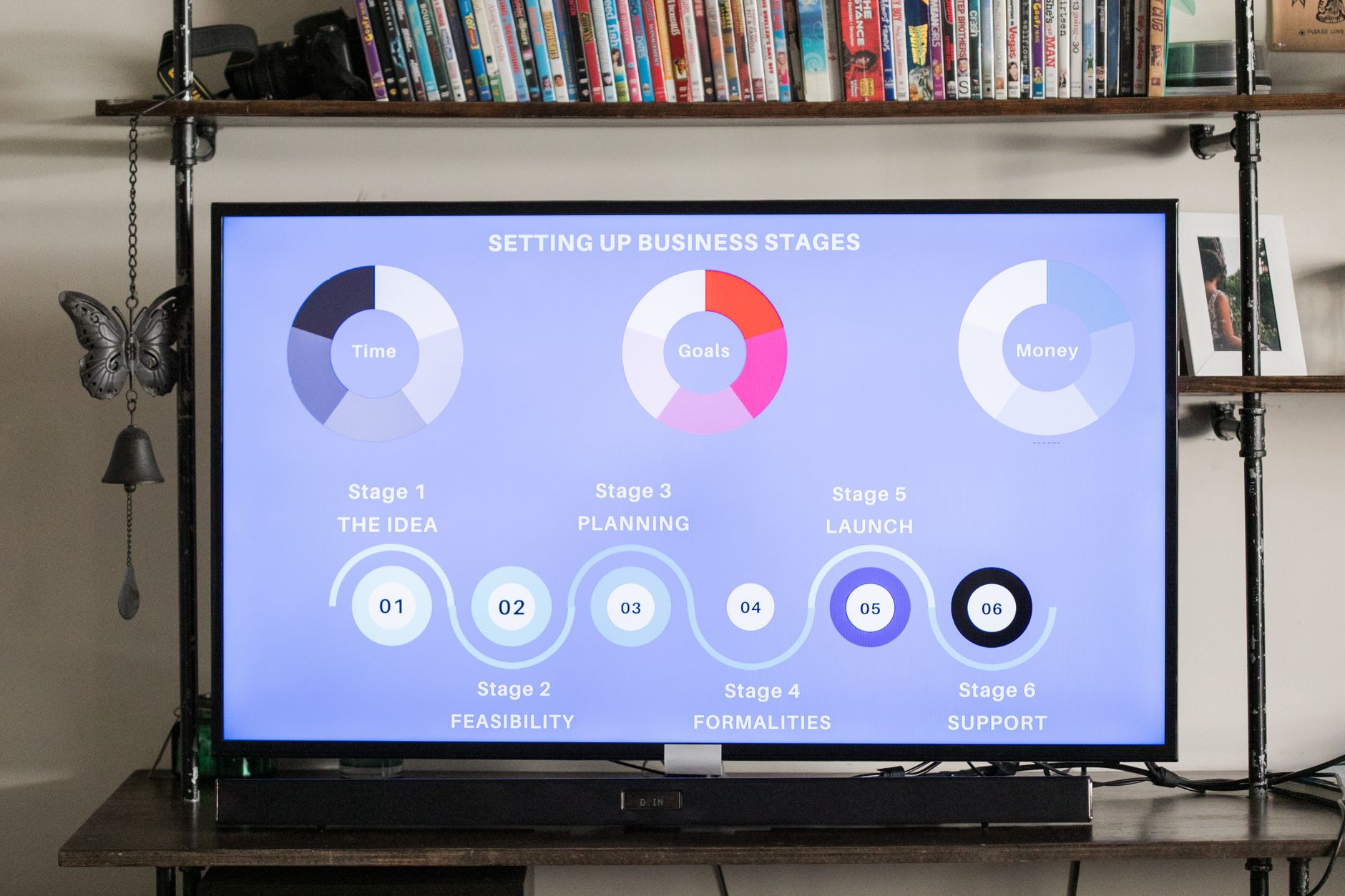
Think of your content like a tree. One long-form "pillar" video — say, a 10-minute YouTube tutorial — is the trunk. Every branch is a short-form derivative: a 60-second tip pulled from minute three, a 15-second hook from the intro, a text-based carousel summarizing the key takeaway. This is called the Pillar-to-Shorts model, and it's the single most efficient content architecture available in 2026.
Here's how the math works in practice. One 10-minute YouTube video, properly structured, yields: two to three YouTube Shorts, one Instagram Reel, one TikTok clip, one LinkedIn video post, and one Twitter/X clip. That's six to seven pieces of platform-native content from a single filming session. Your team films once and publishes all week.
The critical design rule: film your pillar content with repurposing in mind. Shoot vertically when possible, or use a dual-camera setup. Avoid on-screen graphics that only work in 16:9. Speak in self-contained 60-90 second "chapters" so each section clips cleanly.
For brands using Terra Market Group's free marketing tools, the Social Image Resizer is a fast way to reformat thumbnails and cover images across platform specs without touching Photoshop.
-
3. Use AI Repurposing Tools to Automate the Heavy Lifting
This is where the workflow accelerates dramatically. AI repurposing tools — Opus Clip, Descript, and Vidyo.ai are the three most battle-tested in 2026 — analyze your long-form video, identify the highest-engagement moments, and auto-generate short clips with captions, chapter markers, and aspect-ratio variants.
Opus Clip, for example, uses a "virality score" to rank each potential clip by predicted engagement. In independent tests, clips selected by Opus Clip outperformed manually chosen clips by an average of 34% on watch time. That's not magic — it's pattern recognition trained on billions of social video data points. Social Media Examiner's guide to AI video repurposing covers the tool comparison in depth.
The trade-off: AI-generated clips still need a human review pass. Expect to spend 10-15 minutes per clip fixing caption errors, trimming awkward pauses, and adding platform-specific hooks. AI handles 80% of the work; you handle the 20% that requires judgment. That's still a 5x speed improvement over manual editing.
- Opus Clip — best for auto-clip selection and virality scoring
- Descript — best for transcript-based editing and overdub corrections
- Vidyo.ai — best for bulk processing and multi-platform export
-
4. Optimize YouTube Shorts as a Standalone Growth Channel
Most brands treat YouTube Shorts as an afterthought — a place to dump their TikTok leftovers. That's a significant missed opportunity. YouTube Shorts now has over 70 billion daily views, and unlike TikTok, Shorts feed directly into your long-form YouTube channel's subscriber count and watch time metrics. Every Short is a funnel entry point, not just a standalone post.
The YouTube Shorts algorithm rewards three things above all else: completion rate, like-to-view ratio, and subscriber conversion rate. Your first two seconds must deliver a pattern interrupt — a bold statement, a counterintuitive claim, or a visual hook that stops the scroll. Avoid slow intros. Cut straight to the value.
For teams serious about YouTube growth, Postigniter — one of Terra Market Group's purpose-built tools — is designed specifically to help brands grow on YouTube and social platforms through smarter scheduling and performance tracking. Pair it with a consistent Shorts publishing cadence (three to five Shorts per week is the current sweet spot) and you'll see compounding subscriber growth within 60-90 days.
One underused tactic: pin a comment on every Short that links to the full YouTube video. It takes 30 seconds and measurably increases long-form watch time, which boosts your overall channel ranking.
-
5. Write AI-Assisted Scripts That Actually Sound Human
AI script generation has matured. Tools like ChatGPT-4o, Claude 3.5, and Jasper can draft a solid 60-second video script in under two minutes. But raw AI output has a recognizable flatness — it tends toward safe, generic phrasing that performs poorly on camera. The fix is a simple prompt engineering discipline.
Start with a specific constraint in your prompt: "Write a 60-second TikTok script for a digital marketing agency audience. Open with a counterintuitive claim. Use second-person ('you'). No jargon. End with a question that invites comments." That level of specificity produces scripts that are 70% closer to publish-ready than a generic "write me a video script about SEO" prompt.
Then apply your own voice layer. Replace any phrase that sounds like a press release. Add one specific data point. Insert a personal anecdote or brand-specific example. This human editing pass takes five minutes and makes the difference between a script that feels authentic and one that feels like it was written by a committee.
- Use specific constraints in every AI prompt
- Always edit for brand voice — remove generic filler phrases
- Add one real data point or specific example per script
- End with a comment-inviting question to boost engagement signals
-
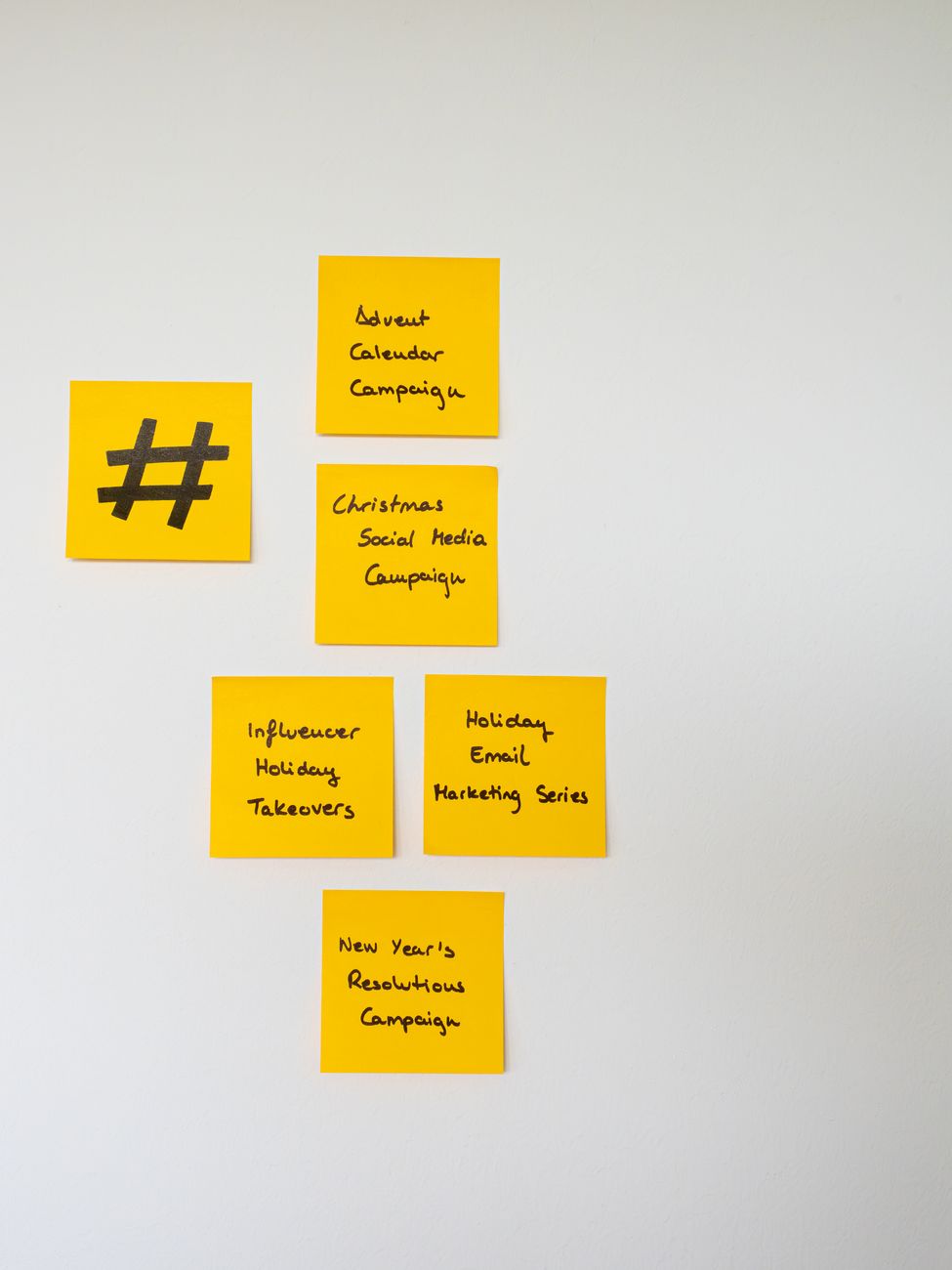
6. Build a Platform-Native Publishing Calendar for Short Form Video Marketing 2026
Consistency beats volume every time. A brand publishing three well-crafted Reels per week will outperform one posting seven mediocre clips. The key is a publishing calendar that accounts for platform-specific best practices — not just dates and times, but format, hook type, and CTA.
Here's a realistic weekly cadence for a lean marketing team:
- Monday: YouTube Short (educational tip from pillar video)
- Tuesday: Instagram Reel (same clip, resized and recaptioned for IG)
- Wednesday: TikTok (trend-adjacent version with native audio)
- Thursday: LinkedIn video (professional angle, slightly longer — 90 seconds)
- Friday: YouTube Short #2 (behind-the-scenes or quick win)
That's five posts from roughly two filming sessions and one AI repurposing pass. The calendar also creates accountability — when every slot is pre-assigned, the team isn't deciding what to post each morning. Decisions are made at the planning stage, not the execution stage.
Explore more content strategy frameworks on the Terra Market Group Content Strategy blog to complement your video calendar with written and email touchpoints.
-
7. Layer Email and SMS Marketing Into Your Video Funnel
Short-form video is a top-of-funnel engine. It builds awareness and drives profile visits. But awareness doesn't pay invoices — conversion does. The bridge between your video content and actual revenue is a well-structured email and SMS follow-up sequence.
The mechanics are straightforward. Your Short or Reel ends with a CTA: "Link in bio for the full guide." The link goes to a landing page with a lead magnet — a checklist, a template, a free audit. The visitor opts in. Your email sequence takes over, nurturing them toward a discovery call or purchase over the next 7-14 days.
SMS adds urgency to this funnel. A well-timed SMS — "Hey [Name], your free social media audit is ready 👇" — achieves open rates above 90%, compared to email's average of 21-25%. Use SMS for time-sensitive nudges, not bulk broadcasts. According to Klaviyo's SMS marketing data, personalized SMS sequences tied to a specific content action (like watching a video) convert at 3-5x the rate of generic SMS blasts.
-
8. Track the Right Metrics — Not Just Views
View count is vanity. The metrics that actually predict revenue impact from short-form video are: completion rate, profile visit rate, link-in-bio click-through rate, and follower conversion rate. If your completion rate is below 60%, your hook is failing. If your profile visit rate is high but follower conversion is low, your profile itself needs work.
Set up a simple weekly tracking sheet. Log these four metrics per platform, per video. After four weeks, you'll see patterns: which topics drive completions, which formats drive follows, which CTAs drive link clicks. That data becomes your editorial calendar for the next month. You're no longer guessing — you're iterating on evidence.
One mistake teams make: they track metrics in-platform and never consolidate them. Use a single Google Sheet or a tool like Databox to pull cross-platform data into one view. Comparing your Reel's completion rate against your Short's completion rate in the same dashboard reveals insights that siloed platform analytics never will.
-
9. Systematize Quality Control With a Pre-Publish Checklist
Speed without quality control is just faster failure. As your AI-assisted workflow accelerates output, you need a lightweight QC gate to catch errors before they go live. A pre-publish checklist takes five minutes and prevents the kind of mistakes — wrong CTA link, missing captions, off-brand thumbnail — that quietly tank performance.
Here's a practical checklist for every short-form video before publishing:
- ✅ Hook delivers value or curiosity within the first two seconds
- ✅ Captions are accurate and readable (minimum 32pt font, high contrast)
- ✅ Aspect ratio is correct for the target platform (9:16 for Reels/Shorts/TikTok)
- ✅ CTA is clear and the linked destination is live and correct
- ✅ Thumbnail (for YouTube Shorts) includes a readable text overlay
- ✅ Audio levels are consistent — no sudden drops or peaks
- ✅ Brand logo or watermark is placed in a platform-safe zone (not covered by UI)
Assign this checklist to a single team member per publishing cycle. Shared responsibility means no responsibility. One person owns the final check, every time.
Putting It All Together: Your 2026 Execution Engine
These nine steps aren't independent tactics — they're a system. The audit feeds the architecture. The architecture guides the AI repurposing. The repurposing fills the calendar. The calendar drives the email funnel. The metrics refine the whole loop. Skip any step and the system leaks efficiency.
The brands winning at short-form video in 2026 aren't outspending their competitors. They're out-systematizing them. A lean team of two to three people, running this workflow with the right tools, can produce 20+ pieces of platform-native content per month from two filming sessions. That's a realistic, achievable benchmark — not a best-case scenario.
Ready to build this workflow for your brand? Get in touch with Terra Market Group to discuss a custom social media management strategy, or explore our full suite of free marketing tools — including Postigniter for YouTube and social growth — to start executing today. Don't just plan your 2026 content strategy. Build the engine that runs it.